Our Blogs
Ayurvedic treatments encompass a wide range of therapies and modalities. Here are some of the commonly practiced types of Ayurvedic treatments:
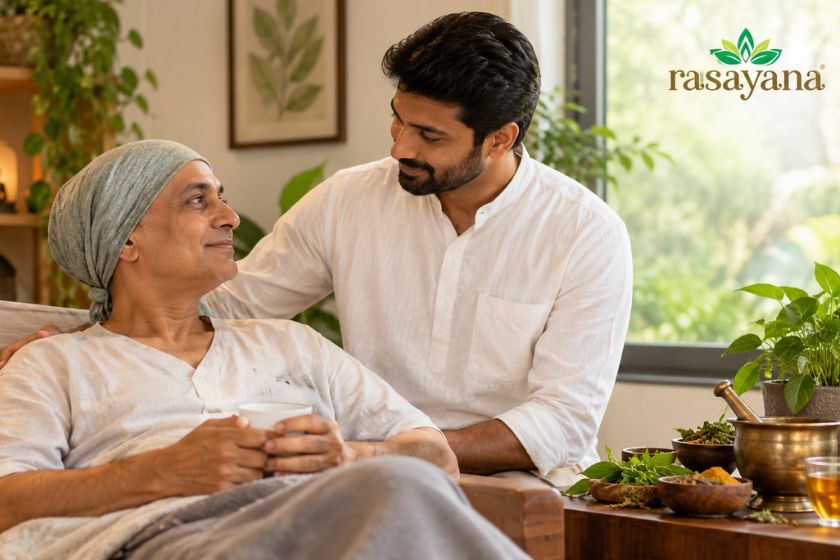
Ayurveda For Post-Cancer Recovery — What’s Realistic To Expect?
The end of cancer treatment is a major milestone; however, recovery for some people doesn’t end there. Some cancer survivors continue to experience difficulties, including fatigue, digestive disorders, weakness, appetite problems, and more, as their bodies slowly recover from treatment. This is when many patients start exploring supportive measures such as Ayurveda in order to restore their overall health. The question then is, what is Ayurveda capable of offering after cancer treatment? Can it help with the recovery process?
In reality, Ayurveda should not be considered as an alternative to oncology. It helps restore balance, maintain good health, and get one’s energy back. Learning about the limits and the potential of Ayurveda will help establish realistic expectations. Let’s see what Ayurveda is able to offer to those who have survived cancer.
How Ayurveda Helps You Here?
In an Ayurvedic post cancer rehabilitation center in Kerala, the emphasis lies on recovering what conventional oncology treatment fails to replenish, that is, digestion, energy, sleep, and mental strength. The classical sources have identified this stage through Rasayana therapy, which means the "path of essence", and the objective here is to nourish the tissues and prevent any further degeneration, always in combination with the ongoing oncology treatment of a patient. Some realistic expectations from both patients and practitioners inlcude:
- Increased appetite and digestive power (through Deepana and Paachana therapies)
- Increased sleep quality and prevention of treatment-induced fatigue
- Detoxification when the patient becomes medically stable according to the doctor
- Emotional support through yoga, pranayama and counselling
- Proper routine for building physical endurance step by step
The Role of Panchakarma
Panchakarma treatment is usually carried out with great care under the supervision of certified practitioner of Ayurveda, in which they examines the blood profile of the patient, his/her immunity, and the permission granted by an oncologist. Classical Panchakarma treatment is generally not recommended right after chemotherapy. Milder treatments such as Poorvakarma are administered in the initial stages followed by an increase in its intensity.
What Ayurveda Cannot promise?
It is our responsibility to make things clear, and to be frank about our limits along with our abilities. Ayurveda is not a complete replacement for oncology follow-ups and cannot confirm remission from the condition; it should never be used to defer or replace any cancer treatment plan. The promises of “cancer cure” and “no recurrence” need to be met with some level of skepticism.
A Collaborative Approach
An integrative approach is what we need: oncology monitoring along with Ayurvedic medicine for quality of life, symptom management, and regaining strength. Treatment methods at the Rasayana Ayurveda Centre are customized based on analysis of the medical history and the patients present condition.
Are you or someone you know struggling in life and needs a post-cancer therapy? A consultation at the right Ayurvedic centre can ensure realistic and safe expectations about the path ahead.
.jpg)
.jpg)