Understanding the Sciatic Nerve and the Pain Caused by it
It is the longest & widest single nerve in the human body, begins from the lower back, travels through the buttocks to both legs, and it branches out while moving downwards to the feet. This Sciatica nerve is responsible for almost all of the movement and sensations in the lower body.
Sciatica refers to the radiating pain occurring on the path of this nerve. It is often misunderstood as a disease, which is not, it is a symptom or a signal that indicates the nerve is being compressed, irritated or swollen anywhere along its path.
Factors Contributing to the Incidence of Sciatica
Structural causes
A herniated or slipped disc could be the most significant trigger. Here, the soft material in the spinal disc pushes through the outer layer due to various reasons, causing the compression of the nerve roots. Ageing could also be a factor because, the bone spurs (Osteophytes) that develop on the vertebrae with age can also lead to the narrowing of the nerve which could create pressure.
Lifestyle & Postural Causes
Prolonged sitting in a poor posture, jobs that require heavy lifting, and long hours of driving could increase the risk of disc problems followed by sciatica. Obesity and being overweight increase the mechanical load on the spine which increases the chance of disc degeneration/ Nerve compression.
Other Contributors
Pregnancy – The growing uterus exerts pressure on the sciatic nerves causing extreme pain
Diabetic Neuropathy – Nerve damage caused by increased blood sugar levels could worsen the pain
Spinal Tumours – Rare occurrence, but tumours also lead to worse conditions in some patients.
Ayurveda Views Sciatica as Gridhrasi
In Ayurveda, Sciatica is known as Gridhrasi, stems from Gridhra – vulture, named for the way a sciatica patient walks with a gait resembling that of a vulture. It is described as a Vata disorder of higher significance in Charaka and Susrutha Samhitas. It is categorized as,
Vata Dosha– Aggravated Vata leads to the dryness, degeneration and compression of the nerve channels. Vata-type sciatica often manifests as sharp pain with stiffness and clicking sounds.
Vata- Kapha Dosha – When Kapha is accompanied by Vata, the condition becomes worse with a sense of heaviness and coldness in the limbs.
Ama Dosha – The metabolic waste accumulated may cause a blockage in the nerve channels and joints, hindering the free flow of vata. Panchakarma is the best recommendation here.
Major Causes
- Degenerative disc disease and spine-related disorder
- Labour - including heavy lifting, prolonged seated work, and long hours of driving, increases the chances of nerve compression
- Lumbar disc herniation pressing on the nerve roots (L4, L5, S1)
- Piriformis muscle (in buttocks) tightness or spasms in the buttocks
- Sedentary lifestyle, obesity and overweight increase the mechanical load on lumbar vertebrae.
- Pregnancy – especially third-trimester pressure
- Emotional stress and chronic muscular tension.
Symptoms that need to be taken care of: -
- Burning, tickling or electric shock-like sensation through the legs
- Muscle weakness which limits the movement of the foot or knee.
- Persistent pain radiating from the lower back down one or both legs
- Inexplicable pain while sitting, prolonged standing or even while sneezing
- One side hip or buttock pain without any past history of injuries
- Stiffness in the lower back, especially at morning.
- Loss of bladder or bowel control (extreme Case)
Sciatica or Just Back Pain? How to Know
All back pains are not necessarily sciatica, and not all sciatica may manifest in the form of a back pain, this is important to keep in mind, since the approach to treatment will differ.
Back pain, in general, is usually localized, meaning that the pain stays localized within the lumbar area and does not radiate to the lower extremities. But sciatica is characterized by radiating pain. This means that the patient experiences pain traveling from his lower spine to his buttocks, then down his thighs, possibly extending to the calves and feet.
Symptoms indicating that the patient is experiencing sciatica rather than back pain include:
- Increase in pain when sitting down and relief from walking or lying down
- Numbness or tingling sensation experienced in legs or feet, not only the lower back area
- Pain experienced mostly on one side of the body, rather than both
- Pain that is characterized as a burning sensation, rather than a dull ache
- Positive straight leg raise test, that is, pain caused when raising one's leg in a lying position
If you’re unsure about the symptoms, a clinical evaluation is necessary for clarification.
Benefits of Choosing Ayurvedic Treatment for Sciatica in Kerala
In Ayurveda, the physician does not treat the disease – the physician treats the person.
1. Root cause treatment
Ayurveda not only suppresses the pain, it also identifies the root cause and implements strategies for cutting it down at the base by enhancing the bodily balance, thereby preventing recurrence.
2. No Side Effects
Unlike conventional pain killers or opioid based drugs, ayurvedic herbal formulations don’t cause any damage to the liver, kidneys or any other vital parts.
3. Potential Herbal Formulation for Nerve Nourishment and Strengthening
Classical formulations such as Dhanwantharam Taila, Dhanvantharam tablet, Vishamushti vati and Ksheerabala oil are known for their nerve tissue nourishment and strengthening properties.
4. Comprehensive Treatment Procedures
Treatment also improves the overall physical and mental wellness- Improves sleep quality, enhances digestive health, offers mental calmness and relaxation, Benefits that extend far beyond Sciatica relief alone.
5. Personalized Care
Ayurveda doesn’t rely on ‘one size fits all’ approach. Instead, the treatment will be based on the Prakrithi (body composition) of each individual, Imbalances in each person differ, so the treatment is customized.
We provide the Best Ayurvedic Treatment for Sciatica in Kerala
At Rasayana we combine classic internal medications with targeted external therapies for an effective recovery from the ailment. For sciatica, our expert physicians have created a multi-layer treatment plan that is personalized according to each individual.
Abhyanga (Medicated Oil Massage) – Full body massage with warm oils like Dhanvantharam taila, Mahanarayana Taila and Ksheerabala oil. Treating with warm oil helps in penetrating into the tissues making it an effective method. Nourishes tissues and nerve channels and pacify aggravated Vata and reduce the pain and stiffness of adjacent muscle groups.
Kati Basti – Unlike Abhyanga, here warm oil is used in a localized area with help of dough rings for targeting a specific area. It deeply hydrates lumbar discs, relieves nerve compressions and reduces acute compressions.
Pizhichil – A luxurious oil bath therapy where streams of warm medicated oils are poured all over the body simultaneously. Helps in the deep nourishment of nerve tissues, reduces pain sensitivity and also promotes overall relaxation.
Navarakizhi – Pouches of rice cooked in milk and herbal decoctions are massaged over the body. It improves circulation and reduces sciatic pain significantly.
Virechana (Purgation) – Designed for expelling the accumulated Pitta and Vata from the body. A controlled panchakarma purgation therapy is essential for Vata-Pitta type sciatica involving inflammation and burning pain.
Basti (Medicated Enema) – It is the method in which herbal decoctions and medicated oils are introduced through rectum, which helps in significantly pacifying Vata at its seat in the colon, thereby providing a systemic relief.
Lepanam (Herbal Pasting) – Medicinal herbal paste is applied in affected areas for the reduction of local inflammation, it also provides relief from muscle spasms around the sciatic nerve.
Herbal Formulations – Internal medicines such as Dhanvantharam kashayam, Rasnasaptakam, Yogaraja guggulu, Ashwagandha, etc. are administered for reducing inflammation, strengthening nerve tissue and also for correcting imbalance from within.
Diet to Follow
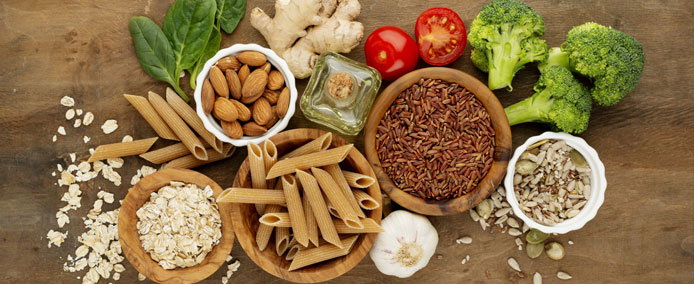
- Warm cooked meal
- Sesame seed and sesame oil
- Ghee (clarified butter)
- Turmeric in warm milk
- Root vegetables – Sweet potato, carrot, beets
- Whole grains – Rice, wheat, Oats
- Mung dal
- Almonds soaked overnight – Nerve strengthening
- Adequate amount of warm water throughout the day
Food to Avoid
- Cold, refrigerated/ frozen food
- Raw vegetables and salads
- Processed and packaged food items
- Excess caffeine
- Alcohol & Nicotine
- Red meats, shellfish
- Carbonated beverages, sodas
- Refined sugar and sweets
Exercises & Yoga for Sciatic Relief
In Ayurveda, we consider movement as medicine, but the wrong movements can worsen your condition. Let's discuss some exercises and yoga postures that could be done gently.
Knee to Chest stretch
Lie down and draw your knees towards your chest and hold it for at least 15-30 seconds. Relieves lumbar compression and also relaxes the piriform muscles.
Setu Bandhasana (Bridge Pose)
Strengthens gluteal and lumbar muscles and helps stretch the hip flexors. Try to hold in the pose for 10 breaths.
Balasana (Childs Pose)
A gentle posture that helps in stretching the lower back and hips, reduces Vata and calms the nervous system.
Walking & Swimming
Low-impact aerobic movements help in maintaining spinal health without adversely affecting the discs.
Sleep & Rest positions for Sciatica relief
Sleep may become the hardest aspect of life while suffering from sciatica. Wrong sleeping positions can make your problem worse overnight and neutralize all the achievements that you have achieved during the day. Here are several suggestions based on scientific research findings:
Best sleeping positions:
- Sleeping on your back with a pillow under your knees to avoid the lumbar lordosis effect
- Sleeping on the healthy side with a strong pillow between your knees to maintain correct spine position and prevent rotation of the hip joint that will put pressure on the piriformis muscle
- Sleeping in the foetal position (curling on your side position) to provide more space for nerves to leave the spine
Positions to Avoid
In Ayurveda, Vata is disturbed by exposure to cold environments and irregular sleeping habits. Sleep in a solid, warm bed at the same time every day is included in general recommendations for Vata control.
Why Rasayana is the Trusted Choice for Sciatica Treatment in Kerala?
Kerala is the abode of Ayurveda, backed by its rich culture and history, it has preserved the unique treatment methods in its raw form. Rasayana Ayurveda centre stands apart for its authentic treatment methods and holistic well-being process.
Our Patients reach out to us because we deliver long-lasting transformations rather than instant relief. Apart from that we have,
- 30+ years of expert leadership
- NABH-accredited Hospital
- Personalised treatment protocols that ensure effective healing
- Classic and authentic Kerala Panchakarma
- Integrated care team consisting of ayurvedic physicians, trained therapists, yoga instructors and physiotherapists
- Proven track record.