Get The Best Ayurvedic Treatment for Cervical Spondylosis In Kerala From Rasayana Ayurveda Centre
Every one irrespective of their age and gender would have confronted the irritating neck pain, majority of the aged individuals will have at least experienced the pain ones, In some cases it diminishes by using some kind of ointments or with the use of hot water pouches, but some may aggravate over time, the pain spreads to the shoulders, hand and even cause numbness in the fingers, most probably it will be cervical spondylosis at work. Ayurvedic treatment for spondylosis in Kerala aims for a reversal of the ailment with effective treatment methods.
What is Cervical Spondylosis?
Generally, it is seen as an age related wear and tear of the bones, disc and joints of the neck, cervical area in specific, which comprises of 7 vertebrae C1-C7. In between the vertebrae, there is a cushion like cartilage or Intervertebral disc (IV disc). Over time these cartilages may degenerate resulting in the disc losing its cushioning ability. As a result, the stress to the bones increase and it will cause pain, reduces flexibility and finally lead to the compression of nerves in between.
It's not a rare condition. Usually it was seen among individuals in their mid-50s or older, but there has been an increase in cases among individuals in their mid-40s, lifestyle changes may be a reason for the early incidence. Studies suggest that by the age of 60, more than 85% of people show some degree of cervical spondylosis on imaging scans, but not all of them experience symptoms. When symptoms do appear, they can range from mild discomfort to debilitating nerve pain that affects their daily activities.
How does Cervical Spondylosis Occur?
Cervical spines will be always at work. we nod, tilt, rotate, look over the shoulder a hundred times in a single day, each time the cervical spines and related muscles is subjected to an amount of stress.
The IV discs mentioned earlier starts to dehydrate as we age. It will begin in our mid 30s itself, as it loses its water content the shock absorbing capacity decreases, and as a result the surrounding bones forms bony growths called Osteophytes, a coping mechanism initiated by the body to manage the risk. Unfortunately , his bony growth could narrow the spinal canal or press against the nerve roots causing inexplicable pain and other neurological symptoms. Initially it starts as a localised pain but over time it spreads to adjacent areas.
Ligaments around the spine also thicken over time, further reducing flexibility. When the narrowing becomes significant enough to compress the spinal cord itself, doctors call it cervical myelopathy, a more serious condition.
Apart from these a modern cause is also stated, which is termed as ‘Tech Neck’ – when one spends hours hunched over smartphones, laptops or any other gadgets, it may put excessive load on the cervical spine which accelerates the degeneration significantly.
Cervical Spondylosis – In the Eyes of Ayurveda
In Ayurveda, we don’t look only at the symptoms. In Cervical spondylosis treatment in Kerala, we assess the body composition of the individual and try to figure out the root cause of the imbalance. That’s considered to be a wholesome approach different from that of conventional medical diagnosis.
In classical Ayurvedic literature, cervical spondylosis is closely related to a condition called Greeva Stambha (stiffness of the neck) or comes under the broader spectrum of Manyastambha. According to Ayurveda, the root cause lies in the aggravated Vata dosha. In the ayurvedic perspective Vata governs almost all the movements of the body, and the nervous system. When Vata becomes excessive due to various factors such as age, lifestyle, diet, stress, or irregular routines, it begins to wear out body’s lubricating essence (Sleshaka Kapha) in the joints and tissues, particularly in the spine. This leads to dryness, degeneration, stiffness, and this will probably lead to pain.
Ayurveda's approach becomes particularly effective because it doesn't stop when the symptom diminishes. The goal is to pacify the aggravated Vata, restore nourishment to the depleted tissues (dhatus), improve circulation in the affected region, strengthen and stimulate the body's own healing mechanisms. Treatments will be personalized — your dosha constitution, lifestyle, digestive strength (agni), and overall imbalance are all taken into account before designing the treatment structure.
Common Causes
Age is an inevitable factor, apart from this, there are also some other factors that lead to this particular condition.
- Prolonged sitting with poor neck posture
- Long hours of smartphone and screen usage ("tech neck")
- Past medical history of neck injuries
- Genetic risks to joint degeneration
- Repetitive neck movements (occupational risk)
- Persisting Chronic stress leading to muscle tension
- Sedentary lifestyle with limited physical activity
- Nutritional deficiencies, such as calcium and Vitamin D deficiency
- Smoking — impairs disc nutrition and blood flow
- Overweight, add stress to the spinal column
How it Feels? – The Symptoms
The symptoms may vary according to the individuals, that where the individualistic approach of ayurvedic treatment of cervical spondylosis in Kerala stands out. Some individuals show neurological symptoms while others may only have a primary pain, some will have both.
- Persistent neck pain and stiffness, especially in the morning
- Pain radiating to the shoulders, arms, or between the shoulder blades
- Numbness or tingling sensation in fingers or hands
- Weakness in the arm or reduce grip strength
- Headaches originating from the base of the skull
- Grinding or popping sounds on neck movement
- Difficulty turning the head fully to one side
- Dizziness or balance problems (in severe cases)
- Difficulty walking or lack of coordination (if spinal cord is involved)
- Disrupted sleep due to positional discomfort
Every case of cervical spondylosis will not show all of these symptoms, it varies according to the body composition and stage of the illness.
Understand More About Ayurvedic Treatment for Cervical Spondylosis in Kerala
1. Abhyanga ( Therapeutic oil massage)
Application of warm medicated oils such as Mahanarayana taila or Dhanwantharam taila, with special strokes to the neck, shoulder, and back is done. Abhyanga therapy is very effective in pacifying Vata, enhancing peripheral circulation, reducing muscular cramps, and it helps in tissue nutrition from outside in. It is generally the initial procedure for cervical spondylosis therapy.
2. Greeva Basti (Neck Oil Pooling)
The dough ring is constructed around the cervix area and is filled with warm, medicated oil kept at constant temperature for a particular period of time. The treatment helps penetrate deep into the tissues, moisturizes the worn out discs, decreases swelling, and relieves from pressure on the nerves. This therapy can be considered one of the most effective in treating this particular condition.
3. Nasyam (Nasal administration of medicine)
According to Ayurvedic medicine, the nose acts as the entry point into the neck and head region. In this treatment method, herbal oils or decoctions are administered through the nose. The herbs move through the nostrils and the nasal cavity to affect the deep structures in the cervical vertebrae region.
4. Pizhichil (Oil Bath Therapy)
Warm medicated oil is dripped continuously on the body or on the affected part, while experienced masseurs perform massages at the same time. This form of therapy is extremely effective and very helpful in treating disorders that involve excessive Vata dosha, where both the nervous tissue and the musculoskeletal system have to be re-nourished.
5. Kizhi (Medicinal Pouches/ Boluses)
Different types of herbs, sand, rice, or medication powders are placed in linen or cotton bags / pouches (kizhis). They are heated and then applied in rhythmic motion over the painful area. The various forms of kizhi include the Elakizhi, which contains herbs and leaves; Navarakizhi, which involves rice boiled in milk mixed with herbs etc.
6. Shirodhara (Steady Oil Flow to the Head)
The process involves dripping the warm oil onto the forehead and scalp continuously for a long duration. Though the therapy is famous for its stress-relieving and calming properties, shirodhara can have a remarkable influence on the nervous system, where the aggravation of Vata leads to various neurologic symptoms associated with cervical spondylosis. Moreover, it provides great relief from insomnia and also get relief from mental stress issues.
7. Panchakarma Detoxification
In case of acute or chronic conditions, a deeper form of detoxification in the form of Panchakarma is advised. Basti or medicated enemas have been found to be the strongest remedy to balance Vata disorders in the field of Ayurveda. This therapy acts in a systemic manner by cleansing the body cells while balancing the disturbed doshas, thereby providing overall mental and physical well being.
8. Internal Herbal Medicines
Along with external treatments, the use of internal Ayurvedic medicines is very significant. Some examples include traditional medicines such as Yogaraja Guggulu, Rasnasaptakam Kwath, Ashwagandha formulations, and Dhanwantharam capsules to decrease swelling, support bone and nerve tissues, and ensure dosha balance during the course of treatment.
The time and duration of the treatment will be planned by the team of expert physicians at Rasayana by assessing the individual's existing body conditions, past medical records, and the complexity of the doshic imbalance.
Dietary plan for Cervical Spondylosis
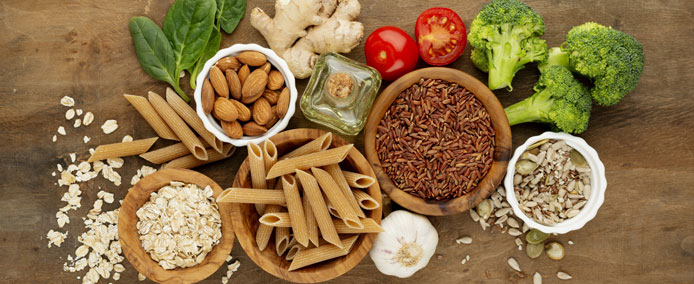
Foods to Include: -
- Warm freshly cooked meals
- Ghee or clarified butter
- Sesame seeds and sesame oil
- Root vegetables like carrots, beets, sweet potatoes
- Whole grains, such as wheat, oats, rice etc.
- Warm milk mixed with turmeric and aswagandha
- Nuts and seeds ( pumpkin seeds, chia seeds etc.)
- Lentils and moong dal
- Banana, dates, figs, honey
Foods to Avoid
- Cold, refrigerated and raw or stale food items
- Processed and packaged food products
- Carbonated drinks and excess caffeinated drinks or food items
- Red meat in excess amount
- Deep fried food items
- Heavy salted or spicy food
- White sugar and artificial sweeteners
- ice creams and cold diary products in excess amount
Ayurveda, the light of Hope in Cervical Spondylosis Treatment
Indeed, this is something that merits careful consideration, particularly for those who have experienced partial relief from treatments such as physiotherapy, pain medications, or steroid injections. This modality provides much more than a temporary solution; it involves a comprehensive method of dealing with the cause.
1. Give Importance to the underlying cause
2. No reliance on long-term pain relief medications
3. All treatment modalities are natural, thereby reducing the chances of side effects
4. Customized treatment according to the individuals body composition (Prakriti)
5. Uses combination of external therapy, oral medicines, diet and gentle exercises
6. Enhances nerve function and tissue nutrition simultaneously
7. Takes care of other associated ailments like stress and anxiety
8. Safe even for elderly individuals to use long term
9. Aims at both rehabilitation and prevention of future deterioration
10. Combines Yoga and lifestyle changes for lasting benefits
Traditional treatments include NSAIDs, muscle relaxants, and nerve blocks. All these are effective in treating pain, inflammation, and spasms. However, the unique value of Ayurvedic treatment emerges post-treatment, where its aim lies in rehabilitating and rejuvenating the affected region and the overall health of the affected individual.
Why Rasayana is the best spot for Ayurvedic Treatment for Cervical Spondylosis in Kerala?
Kerala has always been considered the home of genuine Ayurveda. The climate, availability of medicinal plants, and uninterrupted practice of Ayurveda make it the best place for an Ayurvedic treatment. In Kerala, the difficulty lies in finding the best ayurvedic hospital that fulfills the expectations. By its rich heritage and history, it has not only skilled doctors but also proper medication and treatment facilities. That is what Rasayana Ayurveda centre in the peaceful setting of Ezhakkaranad close to Kochi provides. We have,
- 30 + years of expertise under one roof
- NABH accreditation – A standard for trusted ayurvedic care
- Recipient of Ayur diamond classification by Kerala Tourism Department
- Serene environment that truly helps to heal
- Personalized care, from assessment to discharge our team assist you in everything
- Integrated support beyond Therapy
We can lead you to a pain free life
Consult our Ayurvedic doctors to learn what your cervical spondylosis remedy involves. Consultation is where everything starts – your remedy will be formulated entirely based on that initial discussion.