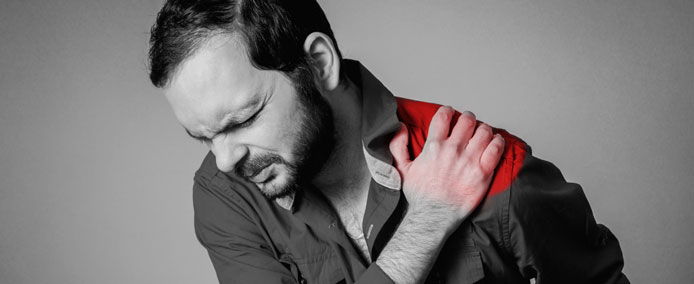
What is Frozen Shoulder? Understanding Adhesive Capsulitis
Frozen shoulder, scientifically called as Adhesive Capsulitis, is a medical term that involves stiffening, inflammation, and thickening of the shoulder joint capsule made up of connective tissues. The shoulder joint capsule helps in the smooth movement of the shoulder joints due to its flexibility. However, when it stiffens, there is a lot of discomfort and difficulty in moving the joint as well.
This problem occurs in three overlapping stages –
1. 'freezing' phase where there is gradual reduction in movement along with pain.
2. 'frozen' phase, where pain reduces significantly while stiffness persists
3. 'thawing' phase, where there is gradual return of movement to the shoulder joint.
It could take from several months to a few years without any treatment for frozen shoulder to heal by itself. It tends to occur most commonly in people above 40 years of age, especially in individuals with diabetes, thyroid disease or immobilization of shoulder joint after injury or surgery. Frozen shoulder needs to be diagnosed clearly before one can choose the proper shoulder stiffness Ayurvedic treatment for this problem.
How Ayurveda Views Frozen Shoulder
Ayurveda sees frozen shoulder as a problem related to the imbalance of two bodily energies known as Vata and Kapha, and in Ayurvedic classics the disease is described as a form of "Amavata" or localized joint stiffness, which results from the accumulation of imbalanced Vata energy in the affected area. The dryness, mobility limitations and painful sensations arise due to the fact that Vata becomes aggravated and settles down in the shoulder joint (amsa sandhi), depriving the joint tissues of their natural lubricating factor (Sleshaka Kapha).
It is the understanding of frozen shoulder as a result of deep rooted imbalance in the body that lies at the basis of the Ayurvedic treatment for frozen shoulder in Kerala, where Ayurvedic practitioners try to pacify aggravated Vata, remove ama and nourish joint tissues rather than limit themselves only to managing symptoms of the condition.
Why Ayurveda is Effective For Frozen Shoulder Treatment
The strength of Ayurveda in dealing with frozen shoulder condition is that it works in two ways – soothing the pain and inflammation on one hand, and then slowly working towards bringing back joint movement and tissue health on the other hand. That is why Ayurvedic Therapy for shoulder pain is preferred by many people who wish to get rid of the pain without side effects. At Rasayana Ayurveda centre, we combine authentic therapeutic methods, each personalized for individuals according to their distinct body composition. For this, we make use of:
- Abhyanga (therapeutic oil massage) - warm medicated oils are applied to the shoulder to enhance blood circulation, softness of tissues, and pacify Vata
- Njavarakizhi and Elakizhi (herbal poultice massage) – bundles of medicinal herbs or Njavara rice are applied to relieve stiffness and nourish the joint
- Dhara therapies (Pizhichil, Kashaya Dhara) – a steady flow of warm herbal oil or decoction poured onto the shoulder to relax muscles and soothe pain
- Panchakarma for frozen shoulder – involves Snehana (oleation) and Swedana (medicated steam therapy) to relax the joint capsule and detoxify it of ama.
- Internal medications – herbal preparations which are aimed at correcting Vata imbalance, decreasing inflammation and nourishing the joint tissues
- Basti therapy (selective treatment) – medicated enemas considered very effective in treating the deep-seated Vata disorders of the joint
The unique feature of this treatment program is that the treatment not only considers the shoulders but also the whole body comes under its purview. The body's own ability to heal itself is supported through digestive corrections, balancing Vata and reducing inflammation.
Exercises and Lifestyle Changes That Support Recovery
Ayurvedic management works well when combined with mindful movement and good habits for joint care. Typically, our doctors advise their patients on the following activities, which are adjusted according to their state of recovery:
• Pendulum stretch — dangling of the arm with swinging movements to ease stiffness without stress on the joint
• Wall climbing exercises — moving fingers up and down the wall to increase overhead reach range
• Cross-body and towel stretches — stretching in front and behind the shoulder to maintain flexibility
• Use of warm compressions before moving, as heat helps loosen stiffened tissues and eases stretching
• Avoidance of cold environment and foods/drink in order not to aggravate Vata dosha and increase stiffness
• Keeping to a consistent daily routine (Dinacharya), as well as keeping regular sleep and diet schedules, considered by Ayurveda to be crucial for the balance of Vata
• Light yoga and pranayama practices that increase blood circulation and decrease stress-induced muscular tension
• Patients are always encouraged to start exercise regime with advice from their treating doctor because excessive stress of the joint in the acute pain phase can aggravate the condition.
Can Ayurvedic Treatment Completely Cure Frozen Shoulder?
Most patients, especially those whose treatment for this disease begins at the initial or intermediate stage of frozen shoulder, will be able to experience considerable and sometimes complete rehabilitation of shoulder function through the use of Ayurvedic treatments. The traditional healing techniques mentioned above provide gradual pain relief during the first several sessions and gradual restoration of the range of motion of the shoulder due to the softening of the joint capsule and disappearance of inflammation. The time that one needs to recover varies from patient to patient according to his/her medical history, health conditions, and commitment to treatment and changes in lifestyle. Even though in more advanced stages of frozen shoulder treatment, Ayurvedic therapy for shoulder pain can provide significant relief of symptoms even without fully restoring mobility. The key point here is timely consultation.
Why Choose Rasayana Ayurveda Centre For Treating Your Frozen Shoulder?
The reliability and reputation of the clinic where you seek Ayurvedic treatment for frozen shoulder in Kerala is crucial in your healing process. The reasons why you should trust Rasayana are the following:
• NABH-accredited hospital – accredited by the Quality Council of India as an establishment with high standards of clinical safety and hygiene
• Ayur Diamond category clinic – classified as such by the Department of Tourism, Government of Kerala based on the assessment conducted by the Ayurvedic Classification Committee
• Lead by Dr. V. Madhavachandran, Chief Ayurvedic Physician with more than 30 years of experience in treatment of joint and musculoskeletal disorders
• Comprise a dedicated team of highly trained Ayurvedic Physicians, therapists, and other personnel who provide their services with individualized attention to each of the patients
• Panchakarma for frozen shoulders conducted with authentic classically formulated Ayurvedic medicines
• A tranquil environment in the form of a residential resort in Kochi located amidst the tropical greenery
• Having an integrated physiotherapy, yoga and meditation center, and dietary counselling center for supporting holistic recovery.
• Backed by a trusted track record - An institution that has treated more than 25,000 patients with various chronic diseases and musculoskeletal disorders