Our Blogs
Ayurvedic treatments encompass a wide range of therapies and modalities. Here are some of the commonly practiced types of Ayurvedic treatments:
.jpg)
What Is Panchakarma Treatment? Benefits, Procedure & Who Needs It.
Everyone has heard about the term ‘Panchakarma’, but most of them don’t know what that means and what its purpose is. Hailing from the heart of Ayurveda, panchakarma treatment has gained global recognition as a wellness pathway, but still many people don’t know about it, what it involves and who it is meant for.
This blog will help you understand the dynamics of Panchakarma. Try to know more about the care of Ayurveda.
Panchakarma Treatment- The Complete Rejuvenation Package
Panchakarma is founded on Ayurvedic principles, which view each individual as a unique manifestation of the five fundamental elements: Ether, Air, Fire, Water, and Earth. The interaction of these elements gives rise to the three doshas, or Tridosha - Vata, Pitta, and Kapha.
Panchakarma comprises a set of five therapeutic procedures that deeply cleanse the body, eliminate accumulated toxins (Ama), and restore the natural balance of the three doshas.
Panchakarma is a precisely put together therapeutic process which involves carefully planned preparation, treatment, and recovery phases. Because each person’s health needs are different, every programme is customised and carried out under close medical supervision.
It works at a deep, cellular level, and eliminate toxins that may have accumulated in the body’s tissues over months or even years, helps with the restoration of overall balance and well-being. (https://www.aryavaidyasala.com/treatments/panchakarma/)
At Rasayana , every panchakarma treatment is personally designed for you by our expert team of physicians, led by Dr. Madhavachandran, with a clinical expertise of over 30 years.
The “Pancha” karma
1. Vamana (Therapeutic Emesis)
It is the medicated vomiting that cleanses the respiratory tract and the upper digestive system. It helps clear accumulated mucus and is beneficial for Kapha-dominant conditions such as asthma, chronic cough, recurrent colds, bronchitis, lymphatic congestion, certain skin disorders, and chronic indigestion.
2. Virechana (Medicated Purgation)
It cleanses the small intestine, liver, gall bladder and gastrointestinal tract from the accumulated toxins(Ama) and excess Pitta. It is very effective for Pitta-related conditions such as acid reflux, skin inflammation, acne, migraines, nausea, jaundice, and other digestive disorders.
3. Basti (Medicated Enema Therapy)
It works on the colon and balances Vata dosha and is beneficial for joint disorders, chronic constipation and other neurological disorders.
4. Nasya or Nasyakarma
Administration of medicated oils and powders through the nasal passage, cleanses the head, neck, and sinus regions and helps to get relief from sinusitis, migraines, certain eye and ear conditions, respiratory congestion, hair loss, stress-related imbalances and in attaining a clear mind.
5. Rakthamoshana (Bloodletting Therapy)
Blood purification is the sole focus here, expels the accumulated Pitta. Selectively used for chronic skin conditions like eczema, psoriasis and also for gout, arthritis, inflammations and other blood-related disorders.
Not everyone needs to be subjected to all of these steps. Our team of physicians will evaluate your Prakrithi (body constitution), existing health conditions and your treatment goals and design the combination needed for your condition.
Let’s Break it into Steps
1. Purvakarma – Preparation
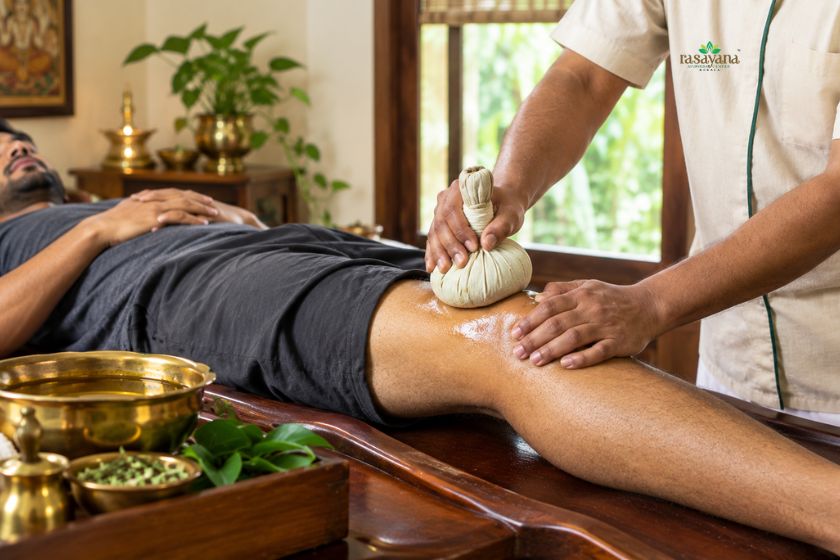
Body needs to be prepared before the treatment. This involves snehana (internal and external oleation using medicated ghee and herbal oils) and swedana(therapeutic steam baths). This helps in loosening the deep seated toxins and brings them to the digestive for expulsion.
2. Pradhankarma – Main Treatment Phase
Selected therapeutic procedures according to your body composition is done here, process will be closely monitored by the team of expert physicians and therapists. The duration depends on your existing conditions.
3. Paschatkarma- Post Treatment Phase
The body will be in a sensitive, rejuvenated state after the treatment. This step involves the return to normal diet, lifestyle, medicines and follow up guidelines are given. Skipping this phase is not recommended as it could affect you negatively.
Why Panchakarma Is Needed in Modern Life
The toxic load of today’s lifestyle is clearly more than what the human body is designed to handle. Processed foods, pollution, ongoing stress, inactive habits, and too much screen time all put pressure on the body. In Ayurveda, these effects are explained through the concept of ama.
When agni (digestive fire) is strong, the body processes food efficiently. But modern habits often weaken it. When agni becomes weak, ama, undigested material that builds up as toxins in the body forms. This ama is heavy and sticky, and it blocks the body’s channels, leading to symptoms like tiredness even after sleep, bloating despite a good diet, and mental fog even after rest.
Modern studies also back up the aspects of this idea. Some research shows that Panchakarma can significantly reduce certain environmental toxins stored in the body, including fat-soluble chemicals such as PCBs. In contrast, simple detox routines do not address deep-seated ama in the tissues or help restore agni, which is why their effects are often short-lived.
Recommended Diet and Lifestyle During Panchakarma
During Panchakarma, the digestive fire (agni) is given time to rest. When toxins move back into the gastrointestinal tract for elimination, digestion naturally slows down, so taking light and easily digestible foods are necessary.
Because of this reason, a simple mono-diet of kichari and ghee is commonly recommended. Cold drinks, caffeine, white sugar, alcohol, and dairy products should be avoided and could only starts using those after the Panchakarma programme is completed.
Kichari, a seasoned combination of basmati rice and mung dal, is easy to digest and provides enough nourishment during the cleansing process. Considered a balanced tridoshic meal in Ayurveda, it nourishes all seven bodily tissues, helps the body’s natural detoxification process, and cellular rejuvenation.
Along with dietary guidelines, Ayurveda also recommends certain lifestyle practices throughout Panchakarma. Rest is essential. Avoid strenuous exercise, sexual activity, staying up late at night, loud music, television, and other stimulating experiences. Keep yourself warm, stay away from cold winds.
What are The Key Benefits of Panchakarma Treatment?
When executed perfectly under expert supervision, panchakarma will work magic on your overall mental and physical health. Most Notable ones are –
- Deep detoxification at the cellular level
- Relief from chronic joint and back pain
- Clearer and glowing skin
- Mental sharpness and enhanced concentration
- Relief from respiratory ailments
- Improved digestion and metabolism
- Hormonal balance and improved reproductive health
- Strengthen your immune system
- Reduced stress and anxiety
- Improved sleep cycles and regulated hormone levels
- Preventing long-term lifestyle diseases
Who needs Panchakarma?
Individuals with chronic health conditions as well as those who are mentally worn out, and healthy individuals who are trying to enhance their overall mental and physical health could opt for panchakarma.
If you fall in any few of these categories you can opt for the treatment: -
- Individuals with chronic digestive issues
- For diabetes management
- For getting relief from various skin conditions
- Those who are struggling with high blood pressure/ hypertension
- Frequently getting stressed, worried or overwhelmed
- For post illness recovery
- Healthy individuals seeking for full body detox treatments
- Individuals with neurological disorders
- For those dealing with certain cardiac conditions
- Respiratory conditions
- Women who are pregnant or breastfeeding
- Those who are seeking treatment for anti-ageing and rejuvenation
A thorough consultation is necessary before starting the treatment. It is not advised for pregnant women, young children and individuals with any acute conditions.
After Panchakarma: Continuing the Benefits
The beneficial and definite changes that begin during Panchakarma continue even after you return home. As your body remains highly receptive after treatment, the choices you make during the following weeks play an important role in maintaining these results.
1. Follow the integration and transition programme provided by your centre.
2. Maintain gentle and consistent daily routines (dinacharya).
3. Refrain from intense physical activities, excessive stimulation, and alcohol consumption during the first two weeks.
4. Keep up the meditation and self-care practices introduced to you during your retreat.
5. Get seasonal Panchakarma sessions to maintain long-term balance.
Why Kerala is the Best for Panchakarma Treatment?
Kerala has been the home of authentic ayurveda for about thousands of years. The states optimal climate, biodiversity and availability of medicinal plants and and its centuries old tradition of ayurvedic practices makes it stand out from the rest. The monsoon season notably known as karkidaka masam (July – September) is said to be the suited time for such treatments.
Rasayana Ayurveda Centre lies in between the lush greenery of Kochi – the perfect environment to heal, restore and rejuvenate.
Rasayana Will Give You the Best
At rasayana ayurveda Centre, the time-tested principles of ayurveda with modern scientific principles to create the best Panchakarma treatment, which is safe authentic and effective. As our treatments are personalized according to your body type and needs, it will not disappoint you, for sure.
Whether you’re seeking relief from a chronic health condition or simply wanting to cleanse and rejuvenate your body, Our panchakarma will be a life changing moment for you.
Take the first step towards healing —
schedule your personalized Ayurveda consultation today
FAQ
1) How does Panchakarma treatment work?
Panchakarma follows a step by step process to cleanse and rejuvenate the body. It begins with preparatory therapies such as oil massage (Snehan) and herbal steam therapy (Svedana), which help loosen and mobilize toxins stored in the body's tissues. Next, the appropriate Panchakarma therapies are used to remove these toxins from the body. Finally, post-treatment care focus on betterment of digestion and rebuilding energy. This process clear blocked body channels, balance the doshas, and restore overall health.
2) How long does Panchakarma treatment take?
The duration varies based on individual needs, but most programs last between 7 and 21 days.
3) What should I eat during Panchakarma therapy?
A light, easy to digest diet is usually recommended during Panchakarma to help with the cleansing process and aid recovery.
.jpg)
.png)