Our Blogs
Ayurvedic treatments encompass a wide range of therapies and modalities. Here are some of the commonly practiced types of Ayurvedic treatments:
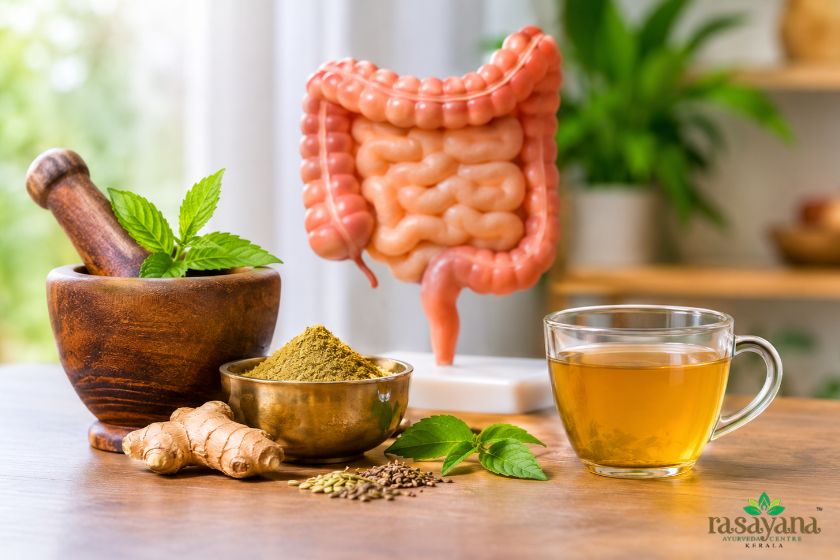
IBS and Chronic Bloating: Ayurvedic Treatment Beyond Diet Changes
IBS (Irritable Bowel Syndrome) is a digestive disorder that can cause persistent abdominal pain, bloating, flatulence, constipation, and diarrhoea. Making dietary changes can help to ease symptoms but may not be sufficient to fully relieve symptoms. Ayurveda can offer a holistic approach, including individualized treatment and lifestyle advice along with traditional medicine. Treatment should, however, depend on individual symptoms and overall health.
Why does Bloating Persist?
Having chronic bloating is a common symptom of IBS. This can be caused by altered bowel function, increased sensitivity and altered gut motility. Stress, irregular eating patterns, specific foods and lack of sleep can also affect your symptoms. Unlike occasional bloating, bloating with IBS can last for weeks or months and can have an impact on daily activities. While making dietary changes to avoid triggers, other factors need to be addressed to help manage IBS.
The Ayurvedic Perspective
Ayurveda links digestive health to Vata, which refers to body digestive and metabolic capacity. Vata can be linked to bowel irregularities, abdominal discomfort and flatulence. Digestive issues will be looked at by assessing how an individual digest, their bowel movements, lifestyle, sleeping patterns and overall health. An Ayurvedic physician may take into consideration the individual’s constitution (prakriti) and existing symptoms before providing treatment.
How Ayurveda Helps Digestive Health?
Depending on the individual, Ayurvedic treatment can involve:
Personalized herbal remedies – An Ayurvedic physician may use traditional remedies based on your symptoms and medical history. They would need to be assessed to see if the Ayurvedic medicines are suitable and safe while interacting with existing medicines.
Panchakarma – Some traditional techniques may be used after a thorough medical assessment. They won’t be suitable for everyone and it is customized according to the condition of the patient.
Lifestyle Adjustments– Eating regular meals, getting enough sleep, exercising and managing stress can help improve digestive health.
Dietary guidance – Rather than controlling random food items unnecessarily, working with qualified health professionals can help to identify possible food triggers. This will help to ensure you are receiving a healthy, balanced diet.
When to seek medical help?
Persistent bloating shouldn’t automatically be assumed to be IBS. There are many conditions that can cause similar symptoms including Coeliac disease, inflammatory bowel disease and other digestive issues. Getting a proper medical assessment can help to determine what the issue may be. If you are experiencing unintentional weight loss, blood in your stools, anaemia or persistent worsening symptoms, you should seek medical advice.
A Holistic Approach to Digestive Health
Managing IBS can take patience and proper medical advice. At Rasayana Ayurveda Centre we provide individualized treatment using traditional techniques and lifestyle advice under the supervision of experienced Ayurvedic physicians.
At Rasayana, the Ayurvedic hospital in Kochi, we will help you to get help from digestive health issues, we can provide a professional consultation to help you understand what treatments would be suitable. We aim to improve overall well-being using individualized Ayurvedic treatments. Find out more about some of the best Ayurvedic treatment in Kochi with us.
.png)
.png)